
The thrill of winning: An emotional high
Winning at the casino can elicit a surge of emotions, primarily joy and excitement, which are often referred to as the “high” of gambling. The brain releases dopamine, a neurotransmitter associated with pleasure, every time a player wins, regardless of the amount. This immediate reward reinforces the behavior, making the player more likely to return in hopes of experiencing that rush again. For those interested in excitement, overseas gambling sites offer unique opportunities and experiences that can enhance this cycle, creating a strong emotional attachment to gambling, as the anticipation of winning can be as thrilling as the actual win.
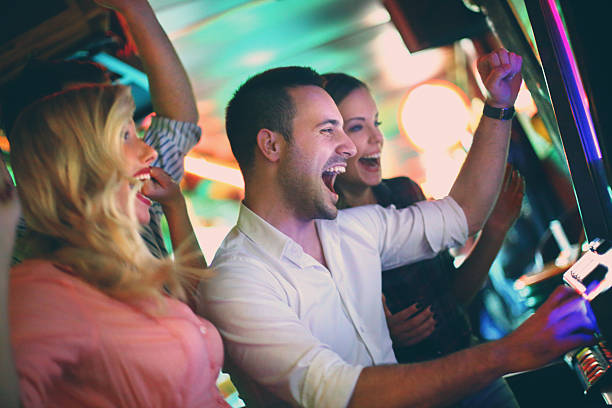
Moreover, the psychological phenomenon known as the “near miss” can further amplify this emotional high. When players almost win, their brains respond similarly to an actual win, releasing dopamine and creating a sense of excitement. This can lead to continued play, as individuals feel encouraged to keep trying their luck, convinced that a win is just around the corner. The interplay of emotions in these moments can make the casino experience addictive, drawing players back for more despite the financial risks involved.
The impact of social factors on gambling behavior
Social dynamics play a significant role in the psychology of casino winnings. Many players are influenced by their peers; winning in a group setting can enhance the experience, as shared excitement contributes to a sense of community. This social reinforcement encourages players to gamble more, hoping to replicate the joyous reactions seen in others. Being part of a social environment can increase one’s willingness to take risks, as the collective atmosphere boosts confidence and diminishes the fear of losing.
Furthermore, casinos are designed to promote social interaction, with games that often encourage group play and lively interactions. This design taps into the human need for connection, which can cloud judgment and lead players to gamble more extensively. The pressure to conform to the group’s behavior can push players to wager larger amounts, driven by the desire to fit in and share in the potential winnings, magnifying the psychological effects of gambling.
Cognitive biases influencing gambling decisions
Cognitive biases significantly impact how players perceive their chances of winning. One notable bias is the “gambler’s fallacy,” where individuals believe that past outcomes will affect future probabilities. For example, a player might think that if a slot machine hasn’t paid out in a while, it is “due” for a win, leading them to invest more money. This misconception can lead to increased losses, as people ignore the fact that every spin or hand is independent of previous outcomes.
Another relevant bias is the illusion of control, where gamblers believe they can influence outcomes through their actions. This could involve choosing specific numbers or strategies, leading players to feel more secure about their chances of winning. This psychological state can be dangerous, as it fosters an unrealistic sense of confidence and encourages further gambling, regardless of the fact that games like slots are entirely based on chance.
The role of advertising and marketing in gambling psychology
Marketing strategies employed by casinos are designed to manipulate psychological triggers that entice players to gamble. Advertisements often highlight big wins and success stories to create an image of easy money, which can lure in new customers. This portrayal can lead to unrealistic expectations, where individuals believe they, too, can achieve these jackpots with minimal effort. Such marketing can exploit cognitive biases, reinforcing the belief that winning is more likely than it truly is.
Additionally, casinos often use psychological tactics such as free drinks, loyalty programs, and rewards to keep players engaged. By fostering a feeling of being valued and rewarded, casinos create an environment that encourages longer play. Players might feel a sense of obligation to continue playing to earn rewards, which can further diminish their perception of risk and lead to increased gambling behavior.

Understanding the online gambling landscape
The online gambling world has grown exponentially, bringing about new psychological factors that influence players. The convenience of playing from home can enhance the thrill of gambling while simultaneously exposing players to higher risks of addiction. The instant access to games can lead to impulsive decisions, as players can easily engage without the physical constraints of a traditional casino.
Moreover, online casinos often employ similar marketing strategies as their physical counterparts, emphasizing promotions and bonuses. This can create a false sense of security and encourage players to chase losses. As individuals navigate this rapidly evolving landscape, understanding the psychological underpinnings of their behavior becomes increasingly vital for promoting responsible gambling practices.